
Gut · SIBO testing: lactulose breath test gains clinical traction
Mental health · Magnesium glycinate searches +38% MoM for anxiety
Hormones · Adaptogens under review: ashwagandha + cortisol data
Mental health · L-theanine + caffeine: focus without the jitters
Women's health · Luteal-phase protein target: 1.2g/kg for cycle stability
Hormones · Progesterone + sleep architecture — new sleep-lab findings
Chronic disease · Fibromyalgia + CoQ10 trial shows fatigue reduction
Metabolic · Fasting insulin > 10 µIU/mL flagged as early IR marker
Chronic disease · 5 evidence-backed swaps for chronic inflammation
Gut · Polyphenols + butyrate — new mechanism paper
Metabolic · Berberine vs metformin — new meta-analysis on A1C
Hormones · Cortisol awakening response: what a healthy curve looks like
Hormones · DHEA-S decline linked to midlife energy crash
Gut · 30 plants/week rule outperforms single-strain probiotics
Women's health · Searches for perimenopause + magnesium up 62% YoY
Women's health · Inositol 40:1 shows insulin sensitivity gains in PCOS
Mental health · TikTok trend #dopaminemenu hits 320M views
Mental health · Morning sunlight 10 min linked to better sleep onset
Metabolic · Time-restricted eating: 10-hr window shows best adherence
Chronic disease · Hashimoto's: selenium 200mcg lowers TPO antibodies
Metabolic · Apple cider vinegar revisited — modest postprandial effect
Hormones · Why your thyroid panel needs a Free T3, not just TSH
Women's health · Iron + vitamin C pairing cuts fatigue in menstruating adults
Energy · Creatine 5g/day — cognitive + fatigue benefits in women
Metabolic · CGM data: walking 10 min post-meal cuts glucose spike 22%
Energy · B12 + methylfolate combo for MTHFR variants
Hormones · TikTok trend #cortisolcocktail crosses 240M views
Metabolic · 30g protein at breakfast = stable AM glucose
Mental health · Gut-brain axis: psychobiotics trial shows mood lift
Chronic disease · Type 2 remission rates with continuous low-carb
Gut · TikTok trend #fiberMaxxing crosses 180M views
Mental health · Omega-3 EPA > 1g/day shows antidepressant signal
Chronic disease · Autoimmune flare patterns track with sleep debt
Women's health · Endometriosis + omega-3 trial shows pain score drop
Women's health · TikTok trend #cycleSyncing crosses 480M views
Energy · Mitochondrial support: CoQ10 + PQQ pairing trends up
Energy · Ferritin under 50 ng/mL flagged in fatigue work-ups
Chronic disease · Long COVID + low-dose naltrexone — pilot data
Gut · SIBO testing: lactulose breath test gains clinical traction
Mental health · Magnesium glycinate searches +38% MoM for anxiety
Hormones · Adaptogens under review: ashwagandha + cortisol data
Mental health · L-theanine + caffeine: focus without the jitters
Women's health · Luteal-phase protein target: 1.2g/kg for cycle stability
Hormones · Progesterone + sleep architecture — new sleep-lab findings
Chronic disease · Fibromyalgia + CoQ10 trial shows fatigue reduction
Metabolic · Fasting insulin > 10 µIU/mL flagged as early IR marker
Chronic disease · 5 evidence-backed swaps for chronic inflammation
Gut · Polyphenols + butyrate — new mechanism paper
Metabolic · Berberine vs metformin — new meta-analysis on A1C
Hormones · Cortisol awakening response: what a healthy curve looks like
Hormones · DHEA-S decline linked to midlife energy crash
Gut · 30 plants/week rule outperforms single-strain probiotics
Women's health · Searches for perimenopause + magnesium up 62% YoY
Women's health · Inositol 40:1 shows insulin sensitivity gains in PCOS
Mental health · TikTok trend #dopaminemenu hits 320M views
Mental health · Morning sunlight 10 min linked to better sleep onset
Metabolic · Time-restricted eating: 10-hr window shows best adherence
Chronic disease · Hashimoto's: selenium 200mcg lowers TPO antibodies
Metabolic · Apple cider vinegar revisited — modest postprandial effect
Hormones · Why your thyroid panel needs a Free T3, not just TSH
Women's health · Iron + vitamin C pairing cuts fatigue in menstruating adults
Energy · Creatine 5g/day — cognitive + fatigue benefits in women
Metabolic · CGM data: walking 10 min post-meal cuts glucose spike 22%
Energy · B12 + methylfolate combo for MTHFR variants
Hormones · TikTok trend #cortisolcocktail crosses 240M views
Metabolic · 30g protein at breakfast = stable AM glucose
Mental health · Gut-brain axis: psychobiotics trial shows mood lift
Chronic disease · Type 2 remission rates with continuous low-carb
Gut · TikTok trend #fiberMaxxing crosses 180M views
Mental health · Omega-3 EPA > 1g/day shows antidepressant signal
Chronic disease · Autoimmune flare patterns track with sleep debt
Women's health · Endometriosis + omega-3 trial shows pain score drop
Women's health · TikTok trend #cycleSyncing crosses 480M views
Energy · Mitochondrial support: CoQ10 + PQQ pairing trends up
Energy · Ferritin under 50 ng/mL flagged in fatigue work-ups
Chronic disease · Long COVID + low-dose naltrexone — pilot data
Wellness Trends 8 min read

Cold Plunges: Who Truly Benefits and Who Should Reconsider

Cold plunges have surged in popularity, touted for everything from boosting metabolism to improving mood. But beyond the hype, who genuinely stands to benefit from a chilly dip, and who might be better off staying warm?

MM

Modern Metabolic EditorialReviewed by licensed healthcare professionals

Editorial Team

Medically reviewed by Modern Metabolic Editorial Team

Jun 6, 2026

Clinically reviewed

Modern Metabolic Editorial Team

Last reviewed

June 6, 2026

Evidence base

Editorial standards applied

Cold Plunges: Who Truly Benefits and Who Should Reconsider

The Cold Plunge Craze: More Than a Trend?

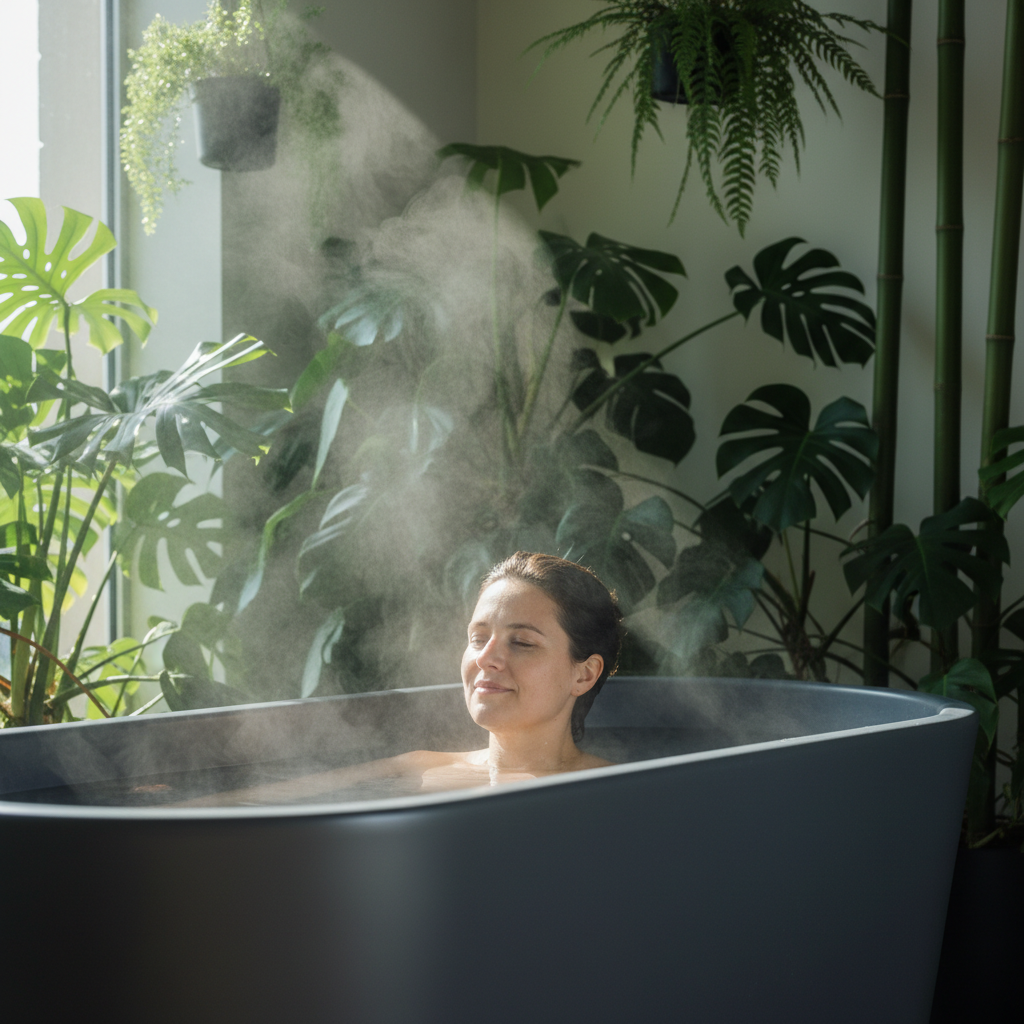
When it comes to cold plunge, the science is more nuanced than headlines suggest. Cold water immersion, or “cold plunging,” has deep historical roots, from ancient Greek therapeutic practices to traditional Nordic rituals. Today, it's a social media darling, with images of people braving icy waters filling our feeds. Proponents claim a myriad of benefits, from enhanced recovery and improved mood to metabolic boosts. But what does the evidence say, and is this practice suitable for everyone?

At Modern Metabolic, we're dedicated to cutting through the noise to bring you evidence-informed insights. This article, editorially reviewed by our team, explores the mechanisms behind cold plunging and helps you understand who might truly benefit, and who should exercise caution. This is for educational purposes only and is not medical advice; always consult your healthcare provider before trying new wellness practices.

How Cold Plunges Engage Your Physiology

When your body is exposed to cold water, a cascade of physiological responses is triggered almost immediately. This is not merely a sensation; it's a systemic reaction designed to protect and adapt.

The Vagal Nerve and Stress Response

One of the primary mechanisms at play is the stimulation of the vagus nerve. The vagus nerve is a critical component of the parasympathetic nervous system, responsible for the “rest and digest” functions. Cold exposure activates the vagus nerve, which can lead to a reduction in heart rate and an increase in heart rate variability (HRV), a marker often associated with resilience to stress. This acute stressor (the cold) can, paradoxically, train your body to better regulate its stress response over time, potentially impacting cortisol levels and overall stress management.

Metabolic Activation and Brown Fat

Cold exposure encourages your body to work harder to maintain its core temperature. This process can increase metabolic rate. Over consistent exposure, some research suggests cold plunges may stimulate the activation and even creation of brown adipose tissue (BAT), or brown fat. Unlike white fat, which stores energy, brown fat burns calories to generate heat. This metabolic activation is often cited as a benefit for weight management and insulin sensitivity, though more robust human trials are needed to fully understand its long-term impact on these areas.

Circulatory Effects

The sudden constriction of blood vessels (vasoconstriction) in the cold and their subsequent dilation upon warming creates a “pump” effect. This can enhance circulation and lymphatic drainage, potentially aiding in muscle recovery by flushing metabolic waste products and reducing inflammation. This mechanism is particularly appealing to athletes or those experiencing muscle soreness.

Who Stands to Benefit?

Based on current understanding, several groups might find cold plunges beneficial:

  • Stress Management Seekers: For individuals looking to enhance their resilience to stress and improve mood regulation, the vagal nerve stimulation and subsequent recalibration of the stress response can be valuable. The act itself can be a powerful mindfulness practice.
  • Athletes and Active Individuals: The circulatory and anti-inflammatory effects can aid in post-exercise recovery, reducing muscle soreness and speeding up the return to peak performance.
  • Metabolic Health Explorers (with caution): While not a standalone solution, integrating cold plunges might support metabolic flexibility and brown fat activation, particularly for those already engaged in a holistic metabolic health strategy. Emphasize that this is an adjunctive therapy.
  • Those Seeking Enhanced Focus and Energy: The norepinephrine release triggered by cold exposure can lead to increased alertness, focus, and a sense of invigorated energy.

Who Should Reconsider or Avoid?

While the allure of cold plunges is strong, they are not suitable for everyone. Certain conditions warrant extreme caution or complete avoidance:

  • Individuals with Cardiovascular Conditions: Conditions such as high blood pressure, heart disease, or arrhythmias can be severely exacerbated by the sudden physiological shock of cold water. The immediate vasoconstriction and increased heart rate can pose significant risks.
  • Those with Reynaud's Phenomenon: This condition causes blood vessels to narrow in response to cold, leading to reduced blood flow to the extremities. Cold plunges could trigger or worsen symptoms.
  • Individuals with Diabetes (especially Type 1): The dramatic physiological demands of cold exposure can impact blood sugar regulation, potentially leading to dangerous fluctuations. Consultation with an endocrinologist is paramount.
  • Pregnant or Breastfeeding Individuals: There is insufficient research on the effects of cold plunges during pregnancy and lactation, making it advisable to avoid until more data is available.
  • Individuals with Compromised Immune Systems or Open Wounds: Risk of infection can be higher, especially in public or untreated cold plunge environments.
  • Anyone Prone to Seizures: The body's acute stress response to cold can trigger seizures in susceptible individuals.

Always ensure you plunge in a safe, controlled environment, preferably with supervision, especially when starting out. Listen to your body and prioritize safety over perceived benefits.

How to Approach Cold Plunging Safely

If you decide to try cold plunging and have been cleared by your healthcare provider, start slowly. Begin with shorter durations (30 seconds to 1 minute) and gradually increase as your body adapts. Focus on slow, controlled breathing to manage the initial shock. Consider the temperature; colder water requires shorter immersion times. A gradual cool down after your plunge is also beneficial.

Bottom Line

Cold plunges offer intriguing potential benefits for stress resilience, athletic recovery, and metabolic activation through mechanisms like vagal nerve stimulation, brown fat activation, and improved circulation. However, they are a potent physiological stimulus that comes with significant considerations and risks for certain individuals, particularly those with pre-existing health conditions. Approach this wellness trend with an educated perspective, prioritize safety, and always consult your healthcare provider to ensure it's a suitable practice for your individual health profile. This educational content is not a substitute for professional medical advice.

#cold plunge#cold water immersion#metabolic health#stress management#athletic recovery#wellness trends#brown fat#vagus nerve

People also ask

What are the main benefits of cold plunges?+

Cold plunges can potentially improve stress resilience through vagal nerve stimulation, aid in athletic recovery by reducing muscle soreness, and may activate brown fat for metabolic benefits. They can also enhance focus and energy due to norepinephrine release.

Who should avoid cold plunges?+

Individuals with cardiovascular conditions, Reynaud's phenomenon, diabetes (especially Type 1), pregnant or breastfeeding individuals, those with compromised immune systems, or anyone prone to seizures should avoid cold plunges or consult their doctor first. Always prioritize safety.

How do cold plunges affect metabolism?+

Cold plunges can increase metabolic rate as your body works to generate heat. Consistent exposure may also stimulate the activation of brown adipose tissue (brown fat), which burns calories to produce heat, potentially supporting metabolic flexibility. However, it's not a standalone solution for metabolic health.

Is cold plunging good for stress and anxiety?+

Cold plunging can activate the vagus nerve, which helps regulate the body's 'rest and digest' system. This can improve heart rate variability, a marker of stress resilience, potentially leading to better stress management and mood regulation over time.

How long should you stay in a cold plunge?+

If you're new to cold plunging and cleared by a healthcare provider, start with short durations, such as 30 seconds to 1 minute. Gradually increase your immersion time as your body adapts, usually up to a few minutes. Always listen to your body and prioritize safety.

MM

Written by

Modern Metabolic EditorialReviewed by licensed healthcare professionals

Editorial Team

The Modern Metabolic editorial team is composed of experienced editors and reviewed by licensed healthcare professionals. We publish evidence-informed wellness education — not medical advice. Independently reviewed by Modern Metabolic Editorial Team.

Share this story

Affiliate disclosure: some links on this page are affiliate links. Modern Metabolic may earn a commission at no extra cost to you. We only feature products independently reviewed by our editors. This is not medical advice.

Discussion

(0)

Loading…

The Metabolic Brief

One smarter wellness email every Tuesday.

Join 48,000+ readers getting the research, trends, and editor-vetted products that actually move the needle on metabolic health. Editor-reviewed. Zero fluff.

No spam. Unsubscribe anytime.

Continue reading