
Chronic disease · Hashimoto's: selenium 200mcg lowers TPO antibodies
Gut · 30 plants/week rule outperforms single-strain probiotics
Women's health · Endometriosis + omega-3 trial shows pain score drop
Hormones · TikTok trend #cortisolcocktail crosses 240M views
Women's health · TikTok trend #cycleSyncing crosses 480M views
Women's health · Searches for perimenopause + magnesium up 62% YoY
Mental health · Omega-3 EPA > 1g/day shows antidepressant signal
Hormones · Cortisol awakening response: what a healthy curve looks like
Energy · B12 + methylfolate combo for MTHFR variants
Mental health · L-theanine + caffeine: focus without the jitters
Chronic disease · Long COVID + low-dose naltrexone — pilot data
Metabolic · CGM data: walking 10 min post-meal cuts glucose spike 22%
Metabolic · Time-restricted eating: 10-hr window shows best adherence
Women's health · Iron + vitamin C pairing cuts fatigue in menstruating adults
Metabolic · Fasting insulin > 10 µIU/mL flagged as early IR marker
Women's health · Inositol 40:1 shows insulin sensitivity gains in PCOS
Energy · Ferritin under 50 ng/mL flagged in fatigue work-ups
Mental health · Magnesium glycinate searches +38% MoM for anxiety
Energy · Creatine 5g/day — cognitive + fatigue benefits in women
Metabolic · 30g protein at breakfast = stable AM glucose
Gut · Polyphenols + butyrate — new mechanism paper
Chronic disease · Fibromyalgia + CoQ10 trial shows fatigue reduction
Hormones · DHEA-S decline linked to midlife energy crash
Hormones · Why your thyroid panel needs a Free T3, not just TSH
Gut · TikTok trend #fiberMaxxing crosses 180M views
Mental health · Morning sunlight 10 min linked to better sleep onset
Mental health · Gut-brain axis: psychobiotics trial shows mood lift
Hormones · Adaptogens under review: ashwagandha + cortisol data
Women's health · Luteal-phase protein target: 1.2g/kg for cycle stability
Gut · SIBO testing: lactulose breath test gains clinical traction
Hormones · Progesterone + sleep architecture — new sleep-lab findings
Metabolic · Berberine vs metformin — new meta-analysis on A1C
Metabolic · Apple cider vinegar revisited — modest postprandial effect
Energy · Mitochondrial support: CoQ10 + PQQ pairing trends up
Chronic disease · Autoimmune flare patterns track with sleep debt
Mental health · TikTok trend #dopaminemenu hits 320M views
Chronic disease · 5 evidence-backed swaps for chronic inflammation
Chronic disease · Type 2 remission rates with continuous low-carb
Chronic disease · Hashimoto's: selenium 200mcg lowers TPO antibodies
Gut · 30 plants/week rule outperforms single-strain probiotics
Women's health · Endometriosis + omega-3 trial shows pain score drop
Hormones · TikTok trend #cortisolcocktail crosses 240M views
Women's health · TikTok trend #cycleSyncing crosses 480M views
Women's health · Searches for perimenopause + magnesium up 62% YoY
Mental health · Omega-3 EPA > 1g/day shows antidepressant signal
Hormones · Cortisol awakening response: what a healthy curve looks like
Energy · B12 + methylfolate combo for MTHFR variants
Mental health · L-theanine + caffeine: focus without the jitters
Chronic disease · Long COVID + low-dose naltrexone — pilot data
Metabolic · CGM data: walking 10 min post-meal cuts glucose spike 22%
Metabolic · Time-restricted eating: 10-hr window shows best adherence
Women's health · Iron + vitamin C pairing cuts fatigue in menstruating adults
Metabolic · Fasting insulin > 10 µIU/mL flagged as early IR marker
Women's health · Inositol 40:1 shows insulin sensitivity gains in PCOS
Energy · Ferritin under 50 ng/mL flagged in fatigue work-ups
Mental health · Magnesium glycinate searches +38% MoM for anxiety
Energy · Creatine 5g/day — cognitive + fatigue benefits in women
Metabolic · 30g protein at breakfast = stable AM glucose
Gut · Polyphenols + butyrate — new mechanism paper
Chronic disease · Fibromyalgia + CoQ10 trial shows fatigue reduction
Hormones · DHEA-S decline linked to midlife energy crash
Hormones · Why your thyroid panel needs a Free T3, not just TSH
Gut · TikTok trend #fiberMaxxing crosses 180M views
Mental health · Morning sunlight 10 min linked to better sleep onset
Mental health · Gut-brain axis: psychobiotics trial shows mood lift
Hormones · Adaptogens under review: ashwagandha + cortisol data
Women's health · Luteal-phase protein target: 1.2g/kg for cycle stability
Gut · SIBO testing: lactulose breath test gains clinical traction
Hormones · Progesterone + sleep architecture — new sleep-lab findings
Metabolic · Berberine vs metformin — new meta-analysis on A1C
Metabolic · Apple cider vinegar revisited — modest postprandial effect
Energy · Mitochondrial support: CoQ10 + PQQ pairing trends up
Chronic disease · Autoimmune flare patterns track with sleep debt
Mental health · TikTok trend #dopaminemenu hits 320M views
Chronic disease · 5 evidence-backed swaps for chronic inflammation
Chronic disease · Type 2 remission rates with continuous low-carb
Metabolic Health 7 min read

Metabolic Diet Food List: What You Can — and Can't — Eat

Understanding what to eat on a metabolic diet can feel overwhelming. This guide offers clarity, focusing on nutrient-dense whole foods that support stable blood sugar, hormone balance, and overall metabolic wellness.

MM

Modern Metabolic EditorialReviewed by licensed healthcare professionals

Editorial Team

Medically reviewed by Tosin Ijale, DNP, FNP-BC

Jul 14, 2026

Updated Jul 14, 2026

Clinically reviewed

Tosin Ijale — Family Nurse Practitioner

Last reviewed

July 14, 2026

Evidence base

Editorial standards applied

Metabolic Diet Food List: What You Can — and Can't — Eat

What you'll learn

  • ·Understand the core principles and benefits of a metabolic diet.
  • ·Recognize the key food groups to prioritize for optimal metabolic health.
  • ·Identify specific foods and ingredients that can undermine metabolic balance and should be limited or avoided.
  • ·Know how to make practical, sustainable changes to your eating habits to align with a metabolic diet.
  • ·Learn to read food labels effectively to make informed dietary choices.

Who this applies to

Individuals looking to improve their metabolic health, manage blood sugar and insulin levels, support healthy weight, or reduce inflammation through dietary changes.

Food list: Understanding the Metabolic Diet Philosophy

When it comes to food list, the science is more nuanced than headlines suggest. A metabolic diet isn't about restrictive calorie counting; it's a sustainable approach to eating that supports your body's fundamental metabolic processes. This means focusing on foods that help regulate blood sugar, optimize insulin sensitivity, reduce inflammation, and nourish your gut microbiome. The goal is to move away from processed foods that can disrupt these systems and toward whole, unprocessed ingredients that promote metabolic flexibility—the body's ability to efficiently switch between burning different fuel sources.

This approach helps address common metabolic concerns, from managing insulin resistance and supporting healthy weight to boosting energy levels and balancing hormones. It’s less a strict regimen and more a framework for making thoughtful food choices that serve your long-term health.

Foods to Prioritize for Metabolic Health

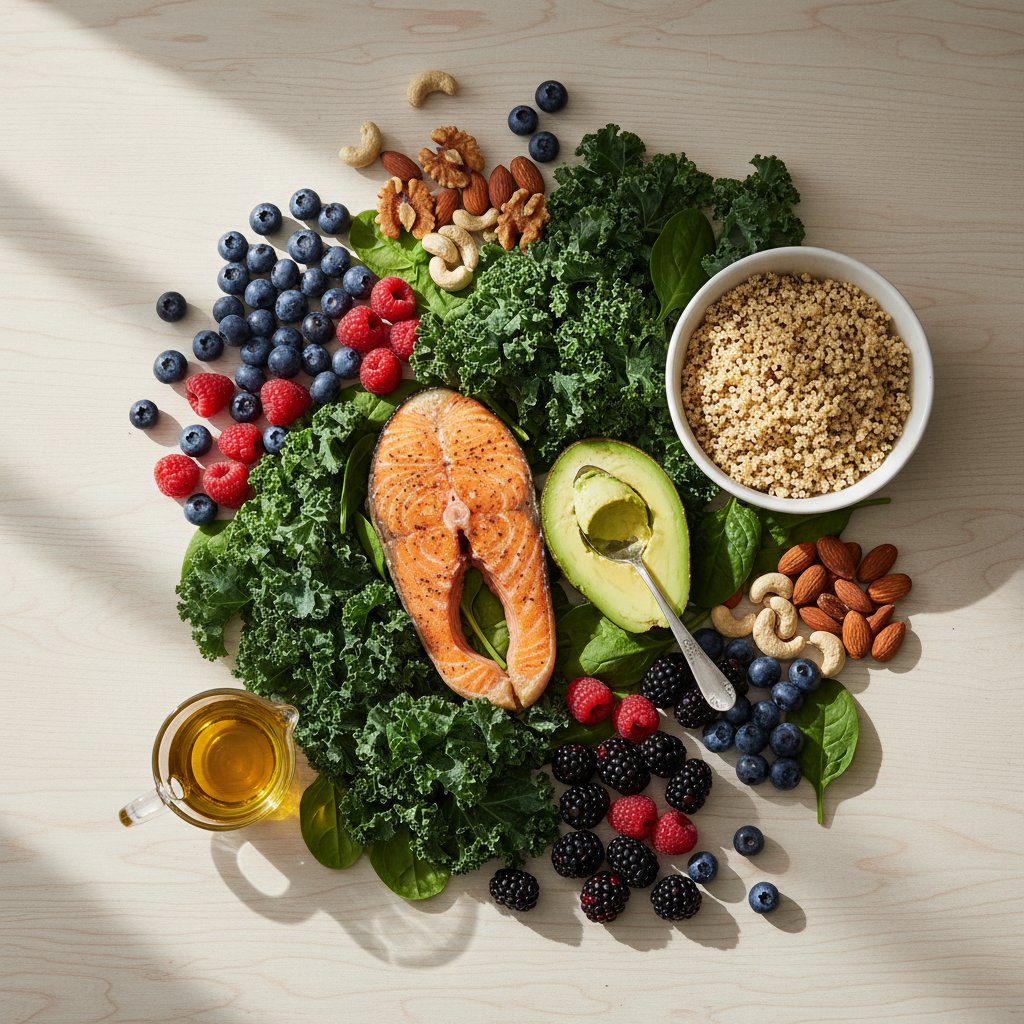
When building a metabolic-friendly plate, think vibrant, unprocessed, and nutrient-dense. These foods provide essential vitamins, minerals, fiber, and healthy fats that are crucial for optimal metabolic function.

Lean Proteins

Protein is foundational for metabolic health. It helps stabilize blood sugar, promotes satiety, and supports muscle mass, which is metabolically active tissue. Aim for a source of lean protein at every meal.

  • Poultry: Chicken and turkey (skinless)
  • Fish: Wild-caught salmon, mackerel, sardines, cod, trout (rich in omega-3 fatty acids)
  • Eggs: Whole eggs are an excellent source of complete protein and micronutrients.
  • Lean Meats: Grass-fed beef, pork loin (in moderation)
  • Plant-Based Proteins: Lentils, beans, tempeh, edamame, tofu, unsweetened protein powders (pea, hemp)

Non-Starchy Vegetables

These vegetables are packed with fiber, vitamins, and antioxidants, with minimal impact on blood sugar. Fill at least half your plate with a variety of colors.

  • Leafy Greens: Spinach, kale, collard greens, Swiss chard, romaine
  • Cruciferous Vegetables: Broccoli, cauliflower, Brussels sprouts, cabbage
  • Other: Bell peppers, cucumbers, zucchini, asparagus, green beans, mushrooms, onions, garlic

Healthy Fats

Healthy fats are vital for hormone production, nutrient absorption, and satiety. They also contribute to stable blood sugar levels.

  • Avocado and Avocado Oil: Monounsaturated fats
  • Nuts and Seeds: Almonds, walnuts, chia seeds, flax seeds, pumpkin seeds (in moderation)
  • Olive Oil: Extra virgin (for dressing and low-heat cooking)
  • Fatty Fish: Salmon, mackerel, sardines (mentioned under protein, but worth noting for fats)

Whole Grains and Complex Carbohydrates (in Moderation)

While processed carbs are largely out, certain whole grains and complex carbohydrates can fit into a metabolic diet, particularly for active individuals. Focus on fiber-rich options that have a slower impact on blood sugar.

  • Quinoa: Complete protein and fiber
  • Oats: Steel-cut or rolled (unprocessed), especially for breakfast
  • Brown Rice: In moderation
  • Sweet Potatoes: Nutrient-dense complex carb
  • Legumes: Lentils, chickpeas, black beans (also noted for protein, excellent fiber source)

Fruits (in Moderation)

Fruits provide essential vitamins, minerals, and antioxidants, but their natural sugar content warrants moderation, especially for those managing insulin resistance. Focus on berries.

  • Berries: Blueberries, raspberries, strawberries, blackberries (lower in sugar, high in antioxidants)
  • Other: Green apples, grapefruit, kiwi (in limited quantities)

Foods to Limit or Avoid

Metabolic health often improves significantly by reducing or eliminating foods that can spike blood sugar, promote inflammation, and disrupt hormonal balance. The primary culprits are processed carbohydrates, added sugars, and unhealthy fats.

Added Sugars and Sweeteners

These are metabolic disruptors, leading to blood sugar spikes, insulin resistance, and inflammation.

  • Sugary Drinks: Soda, fruit juices (even 100% juice), sweetened teas, energy drinks
  • Processed Sweets: Candies, cakes, cookies, pastries, ice cream
  • Hidden Sugars: Many processed foods, sauces, yogurts, and cereals contain added sugars.
  • Artificial Sweeteners: Research suggests these can also negatively impact metabolic health and the gut microbiome.

Refined Grains and Processed Carbohydrates

Stripped of fiber and nutrients, these foods are quickly converted to sugar in the body.

  • White Bread, Pasta, Rice: Limit or avoid entirely
  • Breakfast Cereals: Especially sugary varieties
  • Baked Goods: Most commercially produced muffins, bagels, pastries
  • Crackers and Chips: Often made with refined flours and unhealthy oils

Unhealthy Fats

Certain fats can contribute to inflammation and negatively impact cardiovascular and metabolic health.

  • Trans Fats: Partially hydrogenated oils (found in some fried foods, baked goods, margarine)
  • Highly Processed Vegetable Oils: Soybean oil, corn oil, canola oil, sunflower oil, safflower oil (often used in fried foods and processed snacks)
  • Deep-Fried Foods: Due to unhealthy oils and cooking methods

Processed and Packaged Foods

These often combine refined sugars, unhealthy fats, and artificial ingredients that undermine metabolic health.

  • Fast Food Meals: High in unhealthy fats, sugar, and refined carbs
  • Frozen Dinners: Often contain high sodium, unhealthy fats, and preservatives
  • Processed Meats: Bacon, sausage, deli meats (often high in sodium and unhealthy additives)

Practical Tips for Adopting a Metabolic Diet

Transitioning to a metabolic-friendly eating pattern doesn't have to be drastic. Small, consistent changes can lead to significant improvements over time.

  • Read Labels Carefully: Become an expert in identifying added sugars, refined grains, and unhealthy oils in packaged foods.
  • Cook at Home More Often: This gives you full control over ingredients.
  • Prioritize Fiber and Protein: Start your meals with these macronutrients to promote satiety and stabilize blood sugar.
  • Hydrate Adequately: Water is essential for all metabolic processes. Avoid sugary drinks.
  • Plan Ahead: Meal prepping can prevent last-minute unhealthy choices.
  • Listen to Your Body: Pay attention to how different foods make you feel, noting energy levels, digestion, and satiety.

This educational content is for informational purposes only and not intended as medical advice. Always consult with a qualified healthcare professional before making any changes to your diet or health regimen. Editorial review by the Modern Metabolic team.

Bottom line

A metabolic diet emphasizes whole, unprocessed foods like lean proteins, non-starchy vegetables, healthy fats, and carefully selected complex carbohydrates and fruits. It steers clear of added sugars, refined grains, and unhealthy processed fats, which can disrupt metabolic balance. By focusing on nutrient-dense ingredients, this eating pattern supports stable blood sugar, hormone regulation, and overall metabolic resilience, contributing to sustained energy and well-being. Making mindful shifts toward these food choices can powerfully impact your long-term health journey.

Reader newsletter

Get the Metabolic Brief

One smarter wellness email every Tuesday. Research, trends, and editor-vetted picks.

No spam. One click to unsubscribe.

Practical next steps

What to do this week

  1. Swap sugary drinks for water or unsweetened herbal teas this week.
  2. Add an extra serving of non-starchy vegetables to at least two meals each day.
  3. Choose a lean protein source like eggs, fish, or lentils for your breakfast instead of cereal.
  4. Replace highly processed snacks with a handful of nuts, seeds, or a small portion of berries.
  5. Read the nutrition labels on your pantry staples to identify hidden sources of added sugar and refined grains.

Educational only — not a substitute for individualized care from your clinician.

#metabolic health#nutrition#diet#food list#healthy eating#insulin resistance#blood sugar#weight management

People also ask

What is a metabolic diet?+

A metabolic diet is an eating pattern focused on whole, unprocessed foods that support healthy metabolic function, including stable blood sugar, optimal insulin sensitivity, and reduced inflammation. It prioritizes nutrient density over calorie restriction, aiming to improve how your body processes energy.

Is a metabolic diet good for weight loss?+

Many people find a metabolic diet supportive of healthy weight management because it emphasizes satiety-promoting protein and fiber, reduces blood sugar spikes, and encourages whole foods over calorie-dense, nutrient-poor options. It aids weight loss by optimizing underlying metabolic processes rather than strict deprivation.

Can I eat fruit on a metabolic diet?+

Yes, but in moderation, and with a focus on lower-sugar options. Berries are an excellent choice due to their high antioxidant and fiber content with less impact on blood sugar. Fruits should be consumed thoughtfully, especially for those managing insulin resistance, as even natural sugars can accumulate.

What about coffee and alcohol on a metabolic diet?+

Black coffee or coffee with a splash of unsweetened milk can generally be included. However, sugary coffee drinks should be avoided. Alcohol should be consumed minimally, if at all, as it can disrupt blood sugar and liver function, impacting metabolic health. The focus should be on overall moderation and mindful choices.

How quickly will I see results from a metabolic diet?+

Individual results vary, but many people report improvements in energy levels, blood sugar stability, reductions in cravings, and better digestion within a few weeks of adopting a metabolic diet. Sustained benefits like weight management and improved lab markers often become apparent over several months of consistent adherence. It's a journey toward long-term health.

MM

Written by

Modern Metabolic EditorialReviewed by licensed healthcare professionals

Editorial Team

The Modern Metabolic editorial team is composed of experienced editors and reviewed by licensed healthcare professionals. We publish evidence-informed wellness education — not medical advice. Independently reviewed by Tosin Ijale, DNP, FNP-BC.

Share this story

Affiliate disclosure: some links on this page are affiliate links. Modern Metabolic may earn a commission at no extra cost to you. We only feature products independently reviewed by our editors. This is not medical advice.