
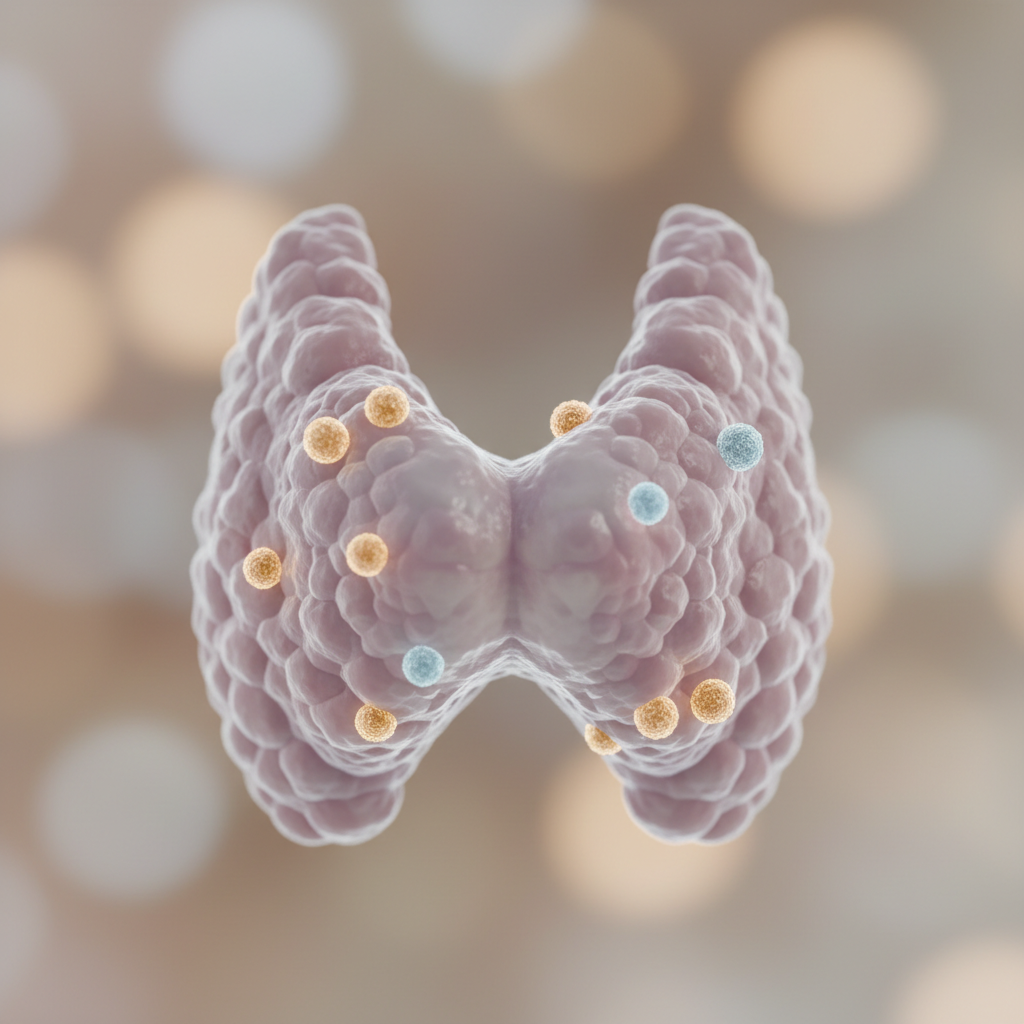
Thyroid disease: The Autoimmune Nature of Hashimoto's Thyroiditis
When it comes to thyroid disease, the science is more nuanced than headlines suggest. When we talk about an underactive thyroid, often referred to as hypothyroidism, many think of a sluggish gland that simply isn't producing enough hormones. While this is true, a significant portion of hypothyroidism cases, particularly in developed countries, have an underlying autoimmune cause: Hashimoto's thyroiditis.
Hashimoto's is not just a thyroid problem; it's an immune system issue that impacts the thyroid. In this condition, your immune system, which is designed to protect you from foreign invaders like bacteria and viruses, mistakenly identifies your thyroid cells as a threat. It then produces antibodies that attack these cells, leading to chronic inflammation and gradual destruction of the thyroid tissue. Over time, this damage impairs the thyroid's ability to produce essential hormones, T3 (triiodothyronine) and T4 (thyroxine), which regulate metabolism throughout the body.
How the Immune System Goes Awry
The immune system's mistaken attack in Hashimoto's involves a complex interplay of genetic predisposition and environmental triggers. While the exact trigger isn't always clear, factors like stress, infections, certain medications, and even gut dysbiosis (an imbalance of gut bacteria) are thought to play a role in initiating or exacerbating the autoimmune response. The immune system generates antibodies, such as thyroid peroxidase antibodies (TPOAb) and thyroglobulin antibodies (TgAb), which are measurable markers of this autoimmune activity. These antibodies can be present for years before overt symptoms of hypothyroidism manifest.
Recognizing the Symptoms: Beyond General Fatigue
The symptoms of Hashimoto's thyroiditis can be subtle at first and often mimic other conditions, making diagnosis challenging. As the thyroid's function declines, symptoms typically progress and become more noticeable.
Common symptoms include persistent fatigue, weight gain despite no changes in diet or activity, cold intolerance, dry skin and hair, constipation, and muscle weakness or aches. However, because Hashimoto's is an autoimmune condition, individuals may also experience symptoms related to broader immune dysregulation.
The Impact on Metabolic and Overall Health
Thyroid hormones are crucial for metabolism, influencing nearly every cell in the body. When these hormones are deficient due to Hashimoto's, metabolic processes slow down. This can lead to reduced energy production in the mitochondria, the "powerhouses" of our cells, contributing to fatigue. It can also affect the rate at which our bodies burn calories, impacting weight management. Furthermore, thyroid hormones are interconnected with other endocrine systems, meaning imbalances can ripple through, potentially affecting adrenal function and reproductive hormones.
Diagnosis and Management: A Holistic Approach
Diagnosing Hashimoto's involves more than just checking TSH (Thyroid-Stimulating Hormone) levels. While an elevated TSH indicates an underactive thyroid, measuring thyroid antibodies (TPOAb and TgAb) is essential to confirm the autoimmune nature of the condition. Many individuals will have normal TSH levels but elevated antibodies, indicating silent autoimmunity before the thyroid is significantly damaged.
Management typically involves thyroid hormone replacement therapy, usually with levothyroxine, to restore hormone levels to an optimal range. However, addressing the autoimmune component can also be important. This often involves lifestyle modifications aimed at reducing inflammation and supporting immune balance. For example, some individuals find that dietary changes, such as reducing inflammatory foods or addressing gut health, can help manage symptoms and potentially slow the autoimmune progression. Stress management techniques are also vital, as chronic stress can impact cortisol levels and overall immune function.
The Gut-Thyroid Connection
The gut plays a significant role in immune health, and there's growing recognition of the gut-thyroid axis. An imbalance in gut microbiota (dysbiosis) or increased intestinal permeability (leaky gut) can contribute to systemic inflammation and influence immune responses, potentially exacerbating autoimmune conditions like Hashimoto's. Supporting gut health through diet, probiotics, and targeted nutrients can be a complementary approach in managing the condition.
Bottom Line
Hashimoto's thyroiditis is more than just an underactive thyroid; it's an autoimmune condition where the immune system attacks the thyroid gland. Understanding this autoimmune link is crucial for both diagnosis and comprehensive management. While thyroid hormone replacement is typically necessary, a holistic approach that considers diet, gut health, stress management, and immune support can be beneficial. Always seek guidance from a qualified healthcare professional. This information is for educational purposes only and not medical advice, as treatment plans should be individualized and supervised by an editorial review board.