
Home safety: Why Fall Prevention Matters for Your Metabolic Health
When it comes to home safety, the science is more nuanced than headlines suggest. When we think about metabolic health, images of balanced blood sugar, healthy weight, and optimal hormone function often come to mind. What might not immediately surface is the critical role of physical safety, particularly fall prevention, in maintaining these very pillars of well-being. A fall, especially as we age, can initiate a cascade of events that significantly impact metabolic health. An injury can lead to reduced physical activity, which in turn can worsen insulin sensitivity, affect hormone balance, and contribute to weight gain. Beyond the physical, the stress and anxiety accompanying a fall and subsequent recovery can elevate cortisol, further derailing metabolic equilibrium. Taking proactive steps to fall-proof your home isn't just about preventing physical injury; it's a vital component of a holistic approach to maintaining your metabolic vitality and overall quality of life. This guide is designed to empower you with a practical, accessible strategy to enhance your home's safety over a single weekend, thereby supporting your long-term health.
The Weekend Warrior's Guide: Getting Started with Fall-Proofing
Embarking on a fall-proofing mission doesn’t have to be overwhelming. Approaching it with a focused mindset, much like a 'weekend warrior' tackling a home project, can make it manageable and even rewarding. Before you dive into specific rooms, a few foundational steps will set you up for success. This preparation ensures you have the right tools, a clear plan, and a supportive environment to make meaningful changes efficiently.
Supplies and Mindset
Gathering your supplies beforehand is key. Think about items like non-slip mats, clear organizational bins, brighter light bulbs, and perhaps a basic toolkit for minor repairs. Mentally, approach this as an act of self-care and preventive maintenance for your future self. It’s an investment in your physical autonomy and metabolic health, not just another chore. Enlist a helper if possible; an extra set of eyes can spot hazards you might overlook, and sharing the task can make it more enjoyable.
Declutter for Dollars: Your First Line of Defense
Clutter is perhaps the most insidious fall hazard. Piles of magazines, shoes left in pathways, or excess furniture can all create tripping risks. Dedicate time to a thorough decluttering session. Not only does this immediately reduce fall risks, but studies often link an organized environment to reduced stress and improved focus – indirect metabolic benefits. Be ruthless in your decluttering: if an item doesn't serve a purpose or bring you joy, consider donating, discarding, or rehoming it. Clear pathways are non-negotiable for safe movement throughout your home.
Room by Room: Your Fall-Proofing Checklist
Now, let's get into the specifics, tackling each major area of your home with a focused eye on fall prevention. Remember to apply the principles of good lighting, clear pathways, and stable surfaces consistently.
Entryways and Hallways
These are high-traffic areas and often the first point of contact with your home's interior. Ensure good lighting, especially near stairs or steps. Outdoor entryways should have sturdy handrails if there are steps. Inside, securely fasten any rugs or mats with double-sided tape or non-slip backing. Remove any loose items like shoes, bags, or umbrellas from pathways. Consider a small, stable bench for putting on shoes if space allows.
Living Room and Den
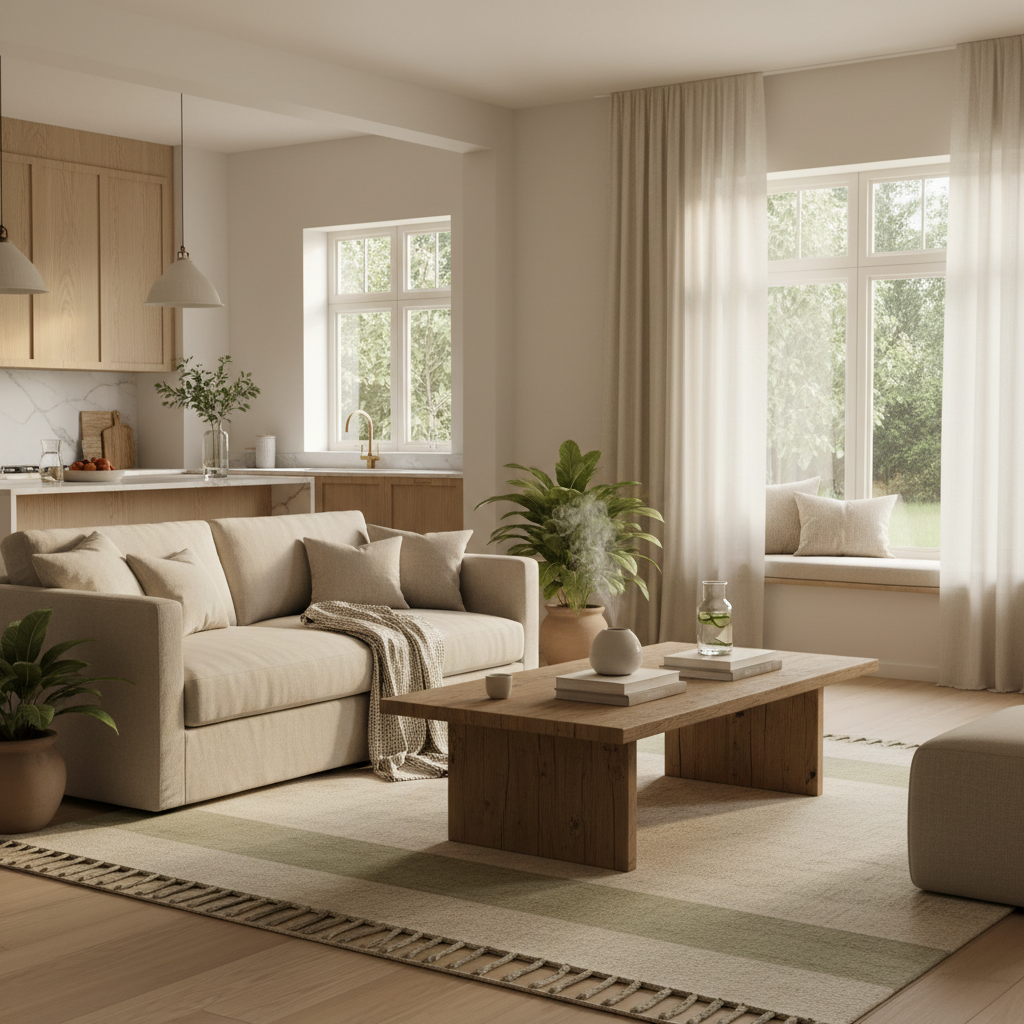
The living room is where we often relax, but it can harbor sneaky hazards. Arrange furniture to create clear, wide pathways. Secure all electrical cords along walls or under furniture, away from walking areas. Avoid low-lying coffee tables or ottomans that might not be easily visible. Ensure area rugs have non-slip backing. Consider good task lighting near reading chairs or hobbies.
Kitchen
The kitchen presents unique challenges with spills, hard surfaces, and items often needing to be reached. Mop up spills immediately to prevent slips. Use non-slip mats in front of the sink and stove. Store frequently used items in easily accessible cabinets or on lower shelves to avoid needing a step stool. If using a step stool, ensure it is stable and has a secure handrail. Good lighting under cabinets can illuminate countertops and flooring.
Bedroom
The bedroom should be a sanctuary, free from fall risks. Ensure pathways from the bed to the bathroom and light switches are clear. Place a stable nightlight or touch-lamp near the bed. If rising in the night is common, ensure a clear path to the bathroom. Secure any throw rugs. Adjust bed height if necessary for easy entry and exit. Consider a sturdy grab bar if getting in and out of bed is a challenge.
Bathrooms
Bathrooms are notoriously high-risk areas due to wet, slippery surfaces. Install grab bars in the shower/tub area and next to the toilet. Use non-slip mats inside and outside the shower/tub. Ensure the toilet seat is at a comfortable height – raised toilet seats are an option if needed. Good, bright lighting is essential, especially around the shower/tub. Store toiletries within easy reach to avoid stretching or bending.
Stairs and Walkways
Stairs require particular attention. Ensure handrails are securely fastened on both sides and extend beyond the top and bottom steps. All steps should be well-lit and free of clutter. Consider contrasting strips on the edge of each step to improve visibility. Repair any loose or damaged carpeting or steps immediately. Avoid carrying too many items up or down stairs, which can obstruct your view or balance.
Maintaining a Fall-Safe Home Environment
Fall-proofing isn't a one-time project; it's an ongoing commitment to safety. Regular maintenance and a mindful approach will ensure your home remains a secure space for years to come. Think of it as periodic tune-ups for your home's safety features.
Regular Check-ups and Updates
Make it a habit to periodically walk through your home with a critical eye, perhaps monthly or quarterly. Check light bulbs, test the stability of grab bars, ensure rugs are still secure, and re-evaluate clutter levels. As your needs or routines change, so might the fall hazards in your environment. For example, if you start using a mobility aid, reassess your pathways for width and clear access.
Involving Family and Caregivers
Educate family members and caregivers about the fall-proofing measures you've implemented and the importance of maintaining a safe environment. Encourage them to be vigilant about new hazards and to report them promptly. Their awareness and cooperation are invaluable in sustaining a safe home. It creates a supportive ecosystem where everyone contributes to the well-being of the household.
Bottom line
Fall prevention is a vital, yet often overlooked, aspect of comprehensive wellness and metabolic health. By dedicating a weekend to thoughtfully assess and modify your home environment, you can significantly reduce the risk of falls, thereby protecting your physical autonomy and supporting your longevity. From decluttering and securing rugs to installing grab bars and ensuring adequate lighting, each small step contributes to a safer, more supportive home. This is education, not medical advice, and has been editorially reviewed for accuracy. Always consult with a healthcare professional for personalized health recommendations. Prioritize your safety, and empower your well-being.