Metabolic · 30g protein at breakfast = stable AM glucose
Women's health · TikTok trend #cycleSyncing crosses 480M views
Women's health · Inositol 40:1 shows insulin sensitivity gains in PCOS
Hormones · DHEA-S decline linked to midlife energy crash
Metabolic · Time-restricted eating: 10-hr window shows best adherence
Chronic disease · Autoimmune flare patterns track with sleep debt
Mental health · L-theanine + caffeine: focus without the jitters
Mental health · Morning sunlight 10 min linked to better sleep onset
Mental health · Magnesium glycinate searches +38% MoM for anxiety
Gut · 30 plants/week rule outperforms single-strain probiotics
Metabolic · Apple cider vinegar revisited — modest postprandial effect
Hormones · TikTok trend #cortisolcocktail crosses 240M views
Hormones · Progesterone + sleep architecture — new sleep-lab findings
Women's health · Searches for perimenopause + magnesium up 62% YoY
Hormones · Cortisol awakening response: what a healthy curve looks like
Women's health · Luteal-phase protein target: 1.2g/kg for cycle stability
Mental health · Gut-brain axis: psychobiotics trial shows mood lift
Women's health · Iron + vitamin C pairing cuts fatigue in menstruating adults
Chronic disease · Long COVID + low-dose naltrexone — pilot data
Chronic disease · 5 evidence-backed swaps for chronic inflammation
Metabolic · Fasting insulin > 10 µIU/mL flagged as early IR marker
Mental health · TikTok trend #dopaminemenu hits 320M views
Gut · SIBO testing: lactulose breath test gains clinical traction
Gut · Polyphenols + butyrate — new mechanism paper
Gut · TikTok trend #fiberMaxxing crosses 180M views
Women's health · Endometriosis + omega-3 trial shows pain score drop
Chronic disease · Fibromyalgia + CoQ10 trial shows fatigue reduction
Chronic disease · Hashimoto's: selenium 200mcg lowers TPO antibodies
Metabolic · Berberine vs metformin — new meta-analysis on A1C
Metabolic · CGM data: walking 10 min post-meal cuts glucose spike 22%
Energy · Mitochondrial support: CoQ10 + PQQ pairing trends up
Energy · B12 + methylfolate combo for MTHFR variants
Energy · Ferritin under 50 ng/mL flagged in fatigue work-ups
Hormones · Why your thyroid panel needs a Free T3, not just TSH
Hormones · Adaptogens under review: ashwagandha + cortisol data
Chronic disease · Type 2 remission rates with continuous low-carb
Energy · Creatine 5g/day — cognitive + fatigue benefits in women
Mental health · Omega-3 EPA > 1g/day shows antidepressant signal
Metabolic · 30g protein at breakfast = stable AM glucose
Women's health · TikTok trend #cycleSyncing crosses 480M views
Women's health · Inositol 40:1 shows insulin sensitivity gains in PCOS
Hormones · DHEA-S decline linked to midlife energy crash
Metabolic · Time-restricted eating: 10-hr window shows best adherence
Chronic disease · Autoimmune flare patterns track with sleep debt
Mental health · L-theanine + caffeine: focus without the jitters
Mental health · Morning sunlight 10 min linked to better sleep onset
Mental health · Magnesium glycinate searches +38% MoM for anxiety
Gut · 30 plants/week rule outperforms single-strain probiotics
Metabolic · Apple cider vinegar revisited — modest postprandial effect
Hormones · TikTok trend #cortisolcocktail crosses 240M views
Hormones · Progesterone + sleep architecture — new sleep-lab findings
Women's health · Searches for perimenopause + magnesium up 62% YoY
Hormones · Cortisol awakening response: what a healthy curve looks like
Women's health · Luteal-phase protein target: 1.2g/kg for cycle stability
Mental health · Gut-brain axis: psychobiotics trial shows mood lift
Women's health · Iron + vitamin C pairing cuts fatigue in menstruating adults
Chronic disease · Long COVID + low-dose naltrexone — pilot data
Chronic disease · 5 evidence-backed swaps for chronic inflammation
Metabolic · Fasting insulin > 10 µIU/mL flagged as early IR marker
Mental health · TikTok trend #dopaminemenu hits 320M views
Gut · SIBO testing: lactulose breath test gains clinical traction
Gut · Polyphenols + butyrate — new mechanism paper
Gut · TikTok trend #fiberMaxxing crosses 180M views
Women's health · Endometriosis + omega-3 trial shows pain score drop
Chronic disease · Fibromyalgia + CoQ10 trial shows fatigue reduction
Chronic disease · Hashimoto's: selenium 200mcg lowers TPO antibodies
Metabolic · Berberine vs metformin — new meta-analysis on A1C
Metabolic · CGM data: walking 10 min post-meal cuts glucose spike 22%
Energy · Mitochondrial support: CoQ10 + PQQ pairing trends up
Energy · B12 + methylfolate combo for MTHFR variants
Energy · Ferritin under 50 ng/mL flagged in fatigue work-ups
Hormones · Why your thyroid panel needs a Free T3, not just TSH
Hormones · Adaptogens under review: ashwagandha + cortisol data
Chronic disease · Type 2 remission rates with continuous low-carb
Energy · Creatine 5g/day — cognitive + fatigue benefits in women
Mental health · Omega-3 EPA > 1g/day shows antidepressant signal
Supplements 7 min read

Magnesium Glycinate vs. Citrate: Choosing for Sleep, Anxiety, or Constipation

Magnesium is a vital mineral, but its various forms offer different benefits. This article explores magnesium glycinate and citrate, helping you choose the best option for concerns like sleep, anxiety, or constipation, based on absorption and physiological effects.

MM

Modern Metabolic EditorialReviewed by licensed healthcare professionals

Editorial Team

Medically reviewed by Modern Metabolic Editorial Team

May 27, 2026

Clinically reviewed

Modern Metabolic Editorial Team

Last reviewed

May 27, 2026

Evidence base

Editorial standards applied

Magnesium Glycinate vs. Citrate: Choosing for Sleep, Anxiety, or Constipation

Constipation: Understanding Magnesium: A Vital Mineral

When it comes to constipation, the science is more nuanced than headlines suggest. Magnesium plays a crucial role in over 300 biochemical reactions in the body, impacting everything from nerve function and muscle contraction to blood sugar control and blood pressure regulation. It's essential for energy production, protein synthesis, and maintaining bone health. Despite its widespread importance, many people don't get enough magnesium from their diet, leading some to consider supplementation.

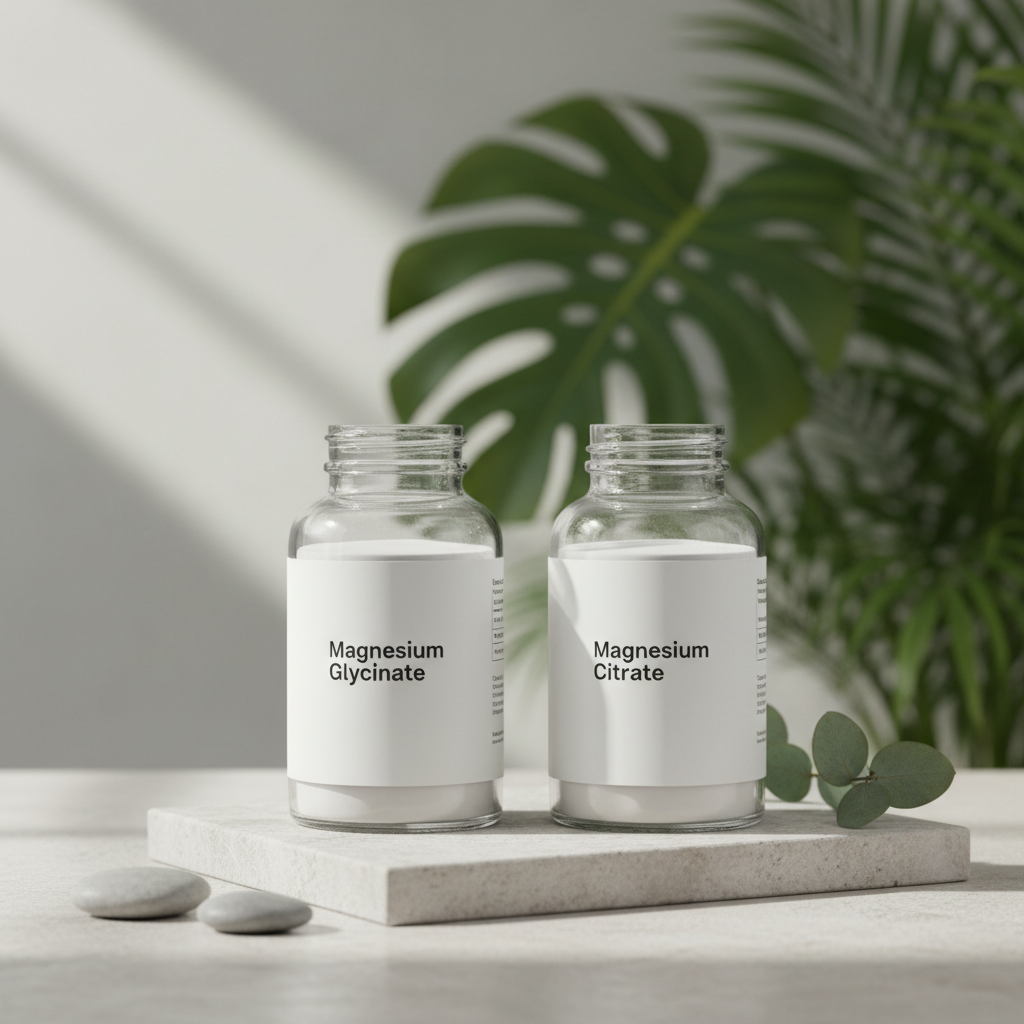
However, simply choosing "magnesium" isn't always enough. This is where the different forms of magnesium come into play. Magnesium is always bound to another substance to ensure stability and aid absorption. These binding agents determine how well the magnesium is absorbed, where it's primarily utilized in the body, and what specific benefits it might offer. Two of the most commonly discussed forms are magnesium glycinate and magnesium citrate, each with distinct properties.

Editorial note: Always consult with a healthcare provider before starting any new supplement regimen, especially if you have underlying health conditions or are taking other medications. This information is for educational purposes and should not be considered medical advice.

Magnesium Glycinate: For Calming and Rest

Magnesium glycinate is a chelated form of magnesium, meaning magnesium is bound to glycine, an amino acid. This binding is significant for several reasons.

High Bioavailability and Gentle on Digestion

One of the primary advantages of magnesium glycinate is its high bioavailability. The presence of glycine facilitates efficient absorption in the intestines, meaning more magnesium is available for your body to use. Furthermore, it is generally considered very gentle on the digestive system, making it a good choice for individuals who experience gastrointestinal upset with other forms of magnesium.

Supporting Sleep and Reducing Anxiety

Glycine itself is a calming neurotransmitter. When magnesium is bound to glycine, it leverages this calming effect. Magnesium contributes to the regulation of neurotransmitters that are involved in the sleep-wake cycle and stress response. Specifically, magnesium helps activate the parasympathetic nervous system, responsible for promoting relaxation. It also supports the production of GABA, a neurotransmitter that helps quiet nervous activity, which can lead to reduced feelings of anxiety and improved sleep quality. By combining these actions, magnesium glycinate can contribute to a more profound sense of calm and facilitate a smoother transition into sleep.

Magnesium Citrate: For Digestive Regularity

Magnesium citrate is formed when magnesium is bound to citric acid, a common acid found in citrus fruits. This combination gives it distinct properties, particularly concerning digestive health.

Osmotic Effect and Constipation Relief

The primary mechanism of action for magnesium citrate, especially at higher doses, is its osmotic effect. It draws water into the intestines, softening stool and stimulating bowel movements. This makes it a popular and effective natural remedy for occasional constipation. Unlike magnesium glycinate, magnesium citrate is not as readily absorbed into the bloodstream in significant quantities, with a larger proportion remaining in the digestive tract to exert its laxative effect.

Potential for Upset Stomachs

Due to its osmotic properties, magnesium citrate can sometimes cause loose stools or abdominal cramping, especially at higher doses. While this is precisely its intended effect for constipation, it means it might not be the best choice for individuals with sensitive digestive systems or those who do not need a laxative effect.

Choosing the Right Magnesium for You

Making the best choice between magnesium glycinate and magnesium citrate depends largely on your primary wellness goals.

For Sleep and Anxiety

If your main concerns are improving sleep quality, reducing feelings of anxiety, or generally promoting a sense of calm, magnesium glycinate is typically the preferred choice. Its excellent absorption and the calming properties of glycine make it well-suited for these applications without the strong laxative effect often associated with other forms.

For Constipation Relief

When addressing occasional constipation, magnesium citrate stands out. Its ability to draw water into the colon effectively promotes bowel regularity. If digestive comfort is a priority and you are seeking a gentle laxative, magnesium citrate can be a beneficial option. For general magnesium repletion without specific digestive needs, it might not be the most efficient choice due to its higher propensity to remain in the gut.

General Magnesium Support

For general magnesium supplementation without specific targets, considering a form like magnesium glycinate for its high bioavailability and gentle nature is often a good starting point. However, individual responses can vary, and what works best for one person may not be ideal for another.

Bottom Line

Magnesium is a powerhouse mineral vital for numerous bodily functions. When considering supplementation, the form of magnesium matters significantly. Magnesium glycinate, with its high bioavailability and calming glycine component, is often recommended for supporting sleep and reducing anxiety due to its gentle nature and systemic absorption. Magnesium citrate, on the other hand, excels at alleviating constipation by drawing water into the intestines. Understanding these distinctions allows for a more targeted and effective approach to magnesium supplementation, helping you address your specific health needs with greater precision.

Remember, this educational content is not a substitute for personalized medical advice. Always discuss supplement choices with your healthcare provider.


#magnesium#supplements#sleep#anxiety#constipation#metabolic health#minerals#gut health

People also ask

What is the main difference between magnesium glycinate and citrate?+

Magnesium glycinate is excellent for systemic absorption and calming effects, making it ideal for sleep and anxiety. Magnesium citrate is primarily used for its osmotic laxative effect, drawing water into the intestines to relieve constipation.

Can magnesium glycinate help with anxiety?+

Yes, magnesium glycinate is often recommended for anxiety. The glycine component is a calming neurotransmitter, and magnesium itself helps regulate stress responses and activate the parasympathetic nervous system, promoting relaxation.

Is magnesium citrate good for sleep?+

While magnesium citrate can have some systemic effects, it is not the primary form recommended for sleep. Its main action is as a laxative. Magnesium glycinate is generally preferred for sleep support due to its calming properties.

Which form of magnesium is better for sensitive stomachs?+

Magnesium glycinate is generally considered gentler on the stomach. Magnesium citrate, especially at higher doses, can cause loose stools or abdominal cramping due to its laxative properties.

MM

Written by

Modern Metabolic EditorialReviewed by licensed healthcare professionals

Editorial Team

The Modern Metabolic editorial team is composed of experienced editors and reviewed by licensed healthcare professionals. We publish evidence-informed wellness education — not medical advice. Independently reviewed by Modern Metabolic Editorial Team.

Share this story

Affiliate disclosure: some links on this page are affiliate links. Modern Metabolic may earn a commission at no extra cost to you. We only feature products independently reviewed by our editors. This is not medical advice.

Discussion

(0)

Loading…

The Metabolic Brief

One smarter wellness email every Tuesday.

Join 48,000+ readers getting the research, trends, and editor-vetted products that actually move the needle on metabolic health. Editor-reviewed. Zero fluff.

No spam. Unsubscribe anytime.

Continue reading