Energy · Mitochondrial support: CoQ10 + PQQ pairing trends up
Chronic disease · Long COVID + low-dose naltrexone — pilot data
Hormones · DHEA-S decline linked to midlife energy crash
Gut · 30 plants/week rule outperforms single-strain probiotics
Metabolic · CGM data: walking 10 min post-meal cuts glucose spike 22%
Metabolic · 30g protein at breakfast = stable AM glucose
Metabolic · Apple cider vinegar revisited — modest postprandial effect
Energy · B12 + methylfolate combo for MTHFR variants
Women's health · Inositol 40:1 shows insulin sensitivity gains in PCOS
Mental health · L-theanine + caffeine: focus without the jitters
Mental health · TikTok trend #dopaminemenu hits 320M views
Hormones · Progesterone + sleep architecture — new sleep-lab findings
Energy · Creatine 5g/day — cognitive + fatigue benefits in women
Chronic disease · Fibromyalgia + CoQ10 trial shows fatigue reduction
Women's health · Searches for perimenopause + magnesium up 62% YoY
Women's health · Iron + vitamin C pairing cuts fatigue in menstruating adults
Hormones · Why your thyroid panel needs a Free T3, not just TSH
Hormones · Adaptogens under review: ashwagandha + cortisol data
Mental health · Omega-3 EPA > 1g/day shows antidepressant signal
Gut · SIBO testing: lactulose breath test gains clinical traction
Metabolic · Time-restricted eating: 10-hr window shows best adherence
Mental health · Magnesium glycinate searches +38% MoM for anxiety
Mental health · Morning sunlight 10 min linked to better sleep onset
Metabolic · Berberine vs metformin — new meta-analysis on A1C
Women's health · Endometriosis + omega-3 trial shows pain score drop
Hormones · Cortisol awakening response: what a healthy curve looks like
Mental health · Gut-brain axis: psychobiotics trial shows mood lift
Women's health · TikTok trend #cycleSyncing crosses 480M views
Chronic disease · Hashimoto's: selenium 200mcg lowers TPO antibodies
Chronic disease · Type 2 remission rates with continuous low-carb
Women's health · Luteal-phase protein target: 1.2g/kg for cycle stability
Energy · Ferritin under 50 ng/mL flagged in fatigue work-ups
Hormones · TikTok trend #cortisolcocktail crosses 240M views
Gut · Polyphenols + butyrate — new mechanism paper
Gut · TikTok trend #fiberMaxxing crosses 180M views
Chronic disease · Autoimmune flare patterns track with sleep debt
Metabolic · Fasting insulin > 10 µIU/mL flagged as early IR marker
Chronic disease · 5 evidence-backed swaps for chronic inflammation
Energy · Mitochondrial support: CoQ10 + PQQ pairing trends up
Chronic disease · Long COVID + low-dose naltrexone — pilot data
Hormones · DHEA-S decline linked to midlife energy crash
Gut · 30 plants/week rule outperforms single-strain probiotics
Metabolic · CGM data: walking 10 min post-meal cuts glucose spike 22%
Metabolic · 30g protein at breakfast = stable AM glucose
Metabolic · Apple cider vinegar revisited — modest postprandial effect
Energy · B12 + methylfolate combo for MTHFR variants
Women's health · Inositol 40:1 shows insulin sensitivity gains in PCOS
Mental health · L-theanine + caffeine: focus without the jitters
Mental health · TikTok trend #dopaminemenu hits 320M views
Hormones · Progesterone + sleep architecture — new sleep-lab findings
Energy · Creatine 5g/day — cognitive + fatigue benefits in women
Chronic disease · Fibromyalgia + CoQ10 trial shows fatigue reduction
Women's health · Searches for perimenopause + magnesium up 62% YoY
Women's health · Iron + vitamin C pairing cuts fatigue in menstruating adults
Hormones · Why your thyroid panel needs a Free T3, not just TSH
Hormones · Adaptogens under review: ashwagandha + cortisol data
Mental health · Omega-3 EPA > 1g/day shows antidepressant signal
Gut · SIBO testing: lactulose breath test gains clinical traction
Metabolic · Time-restricted eating: 10-hr window shows best adherence
Mental health · Magnesium glycinate searches +38% MoM for anxiety
Mental health · Morning sunlight 10 min linked to better sleep onset
Metabolic · Berberine vs metformin — new meta-analysis on A1C
Women's health · Endometriosis + omega-3 trial shows pain score drop
Hormones · Cortisol awakening response: what a healthy curve looks like
Mental health · Gut-brain axis: psychobiotics trial shows mood lift
Women's health · TikTok trend #cycleSyncing crosses 480M views
Chronic disease · Hashimoto's: selenium 200mcg lowers TPO antibodies
Chronic disease · Type 2 remission rates with continuous low-carb
Women's health · Luteal-phase protein target: 1.2g/kg for cycle stability
Energy · Ferritin under 50 ng/mL flagged in fatigue work-ups
Hormones · TikTok trend #cortisolcocktail crosses 240M views
Gut · Polyphenols + butyrate — new mechanism paper
Gut · TikTok trend #fiberMaxxing crosses 180M views
Chronic disease · Autoimmune flare patterns track with sleep debt
Metabolic · Fasting insulin > 10 µIU/mL flagged as early IR marker
Chronic disease · 5 evidence-backed swaps for chronic inflammation
Supplements 7 min read

Berberine vs. Metformin: A Research-Backed Look at Blood Sugar Support

Berberine and metformin are often discussed for their roles in metabolic health, particularly their impact on blood sugar regulation. This article delves into the current research to compare their mechanisms and efficacy.

MM

Modern Metabolic EditorialReviewed by licensed healthcare professionals

Editorial Team

Medically reviewed by Modern Metabolic Editorial Team

Jun 9, 2026

Clinically reviewed

Modern Metabolic Editorial Team

Last reviewed

June 9, 2026

Evidence base

Editorial standards applied

Berberine vs. Metformin: A Research-Backed Look at Blood Sugar Support

Blood sugar: Berberine vs. Metformin: What the Research Actually Shows

In the realm of metabolic health, both berberine and metformin have garnered significant attention for their potential roles in supporting blood sugar regulation. While metformin is a well-established pharmaceutical medication, berberine is a natural compound found in several plants. Understanding the research behind each can help clarify their respective places in a metabolic health strategy.

This article is for educational purposes only and not intended as medical advice. Always consult with a healthcare professional before making any decisions about your health or supplements.

Metformin: The Pharmaceutical Gold Standard

Metformin is a biguanide medication that has been prescribed for type 2 diabetes for decades. Its primary mechanism of action involves reducing glucose production by the liver (gluconeogenesis) and increasing insulin sensitivity in peripheral tissues, which allows cells to take up glucose more effectively from the bloodstream. Metformin also has a modest effect on glucose absorption from the gut.

Editorial review consistently highlights metformin's efficacy and safety profile as a first-line treatment for type 2 diabetes. Its impact on improving insulin signaling and mitigating elevated blood glucose levels is well-documented in numerous clinical trials. Common side effects can include gastrointestinal upset, particularly when first starting the medication, due to its influence on the gut–brain axis and gut microbiome.

Berberine: A Natural Compound with Metabolic Promise

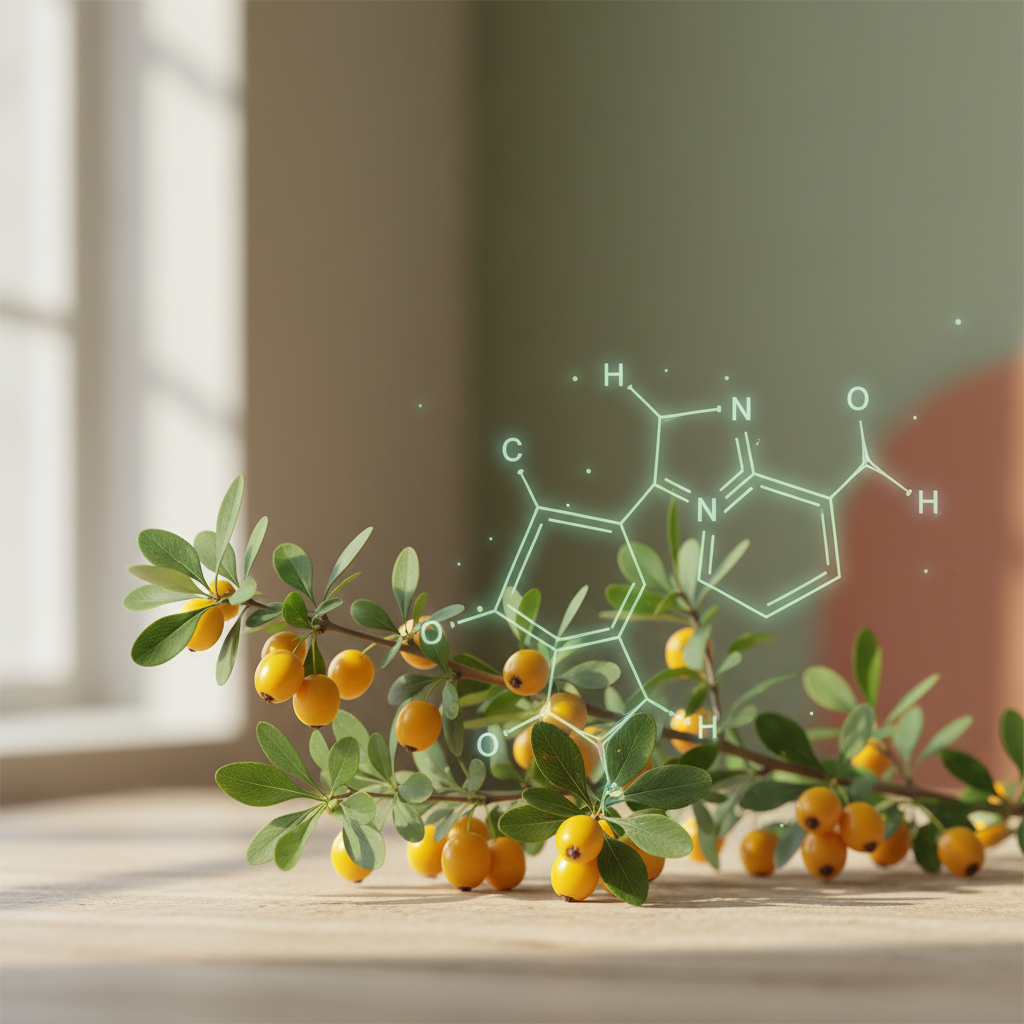
Berberine is a bioactive compound extracted from various plants, including Berberis aquifolium (Oregon grape) and Coptis chinensis (goldthread). Research into berberine's mechanisms suggests it acts on multiple pathways involved in metabolic health. One key mechanism is its ability to activate adenosine monophosphate-activated protein kinase (AMPK), an enzyme often referred to as a "master regulator" of cellular energy. Activation of AMPK can mirror some of the effects of exercise and calorie restriction, leading to improved insulin sensitivity and reduced glucose production in the liver.

Beyond AMPK, berberine has also been shown to influence the gut microbiome, potentially promoting beneficial bacteria and improving gut barrier function. This interaction with the gut–brain axis can indirectly affect metabolic markers. Studies have also explored its role in lipid metabolism, suggesting it may help regulate cholesterol levels.

Direct Comparisons: What the Studies Indicate

When comparing berberine and metformin, many studies have sought to understand if berberine can offer similar benefits. Some research suggests that berberine can be comparable to metformin in its ability to improve various metabolic parameters, including fasting blood glucose, post-meal glucose, and HbA1c (a measure of average blood sugar over several months).

For instance, a meta-analysis published in Phytomedicine reviewed multiple randomized controlled trials and found that berberine had effects on glycemic control similar to those of metformin in individuals with type 2 diabetes. These studies often point to berberine's ability to activate AMPK and influence gut health as key contributing factors to its metabolic effects.

However, it's crucial to note that while some studies show promising parallels, the vast body of evidence for metformin is much larger and more robust, accumulated over decades of clinical use and extensive research. Berberine research, while growing, is still considered nascent in comparison, and many studies are smaller scale.

Considerations for Use

While both compounds show promise, their application differs significantly. Metformin is a prescription medication, and its use should always be guided and monitored by a healthcare professional. Berberine, as a supplement, is available without a prescription, but this does not equate to a lack of potency or potential for side effects or interactions.

Potential side effects of berberine can include gastrointestinal discomfort, constipation, or diarrhea, especially at higher doses. It can also interact with certain medications, particularly those metabolized by the liver, due to its impact on cytochrome P450 enzymes. Therefore, anyone considering berberine, especially if already on medications, should discuss it with their doctor.

Ultimately, the choice between, or combination of, these approaches should be individualized, taking into account a person's full health picture, other medications, and specific metabolic goals.

Bottom Line

Both berberine and metformin have demonstrated roles in supporting metabolic health and blood sugar regulation, albeit through distinct pathways and with different levels of long-term research backing. Metformin, a pharmaceutical, is a cornerstone of type 2 diabetes management with extensive evidence. Berberine, a natural compound, shows fascinating potential by impacting AMPK and the gut–brain axis, with a growing body of supportive research. While some studies suggest comparable effects on blood sugar, the overall evidence base for metformin remains more comprehensive. Any decision regarding their use should always be made in consultation with a qualified healthcare provider. This ensures a safe and effective approach tailored to your individual needs.

This information is for educational purposes only and not intended as medical advice. Always consult with a healthcare professional.


#berberine#metformin#blood sugar#metabolic health#insulin sensitivity#supplements#type 2 diabetes#glucose regulation

People also ask

What is metformin and how does it work?+

Metformin is a prescription medication often used for type 2 diabetes. It primarily works by reducing the liver's glucose production and improving the body's sensitivity to insulin, allowing cells to better absorb glucose from the bloodstream.

What is berberine and how does it work?+

Berberine is a natural compound found in plants. It supports metabolic health by activating AMPK, an enzyme that helps improve insulin sensitivity and reduce liver glucose production. It also influences the gut microbiome.

Can berberine replace metformin?+

While some research suggests berberine might offer similar blood sugar benefits to metformin, it's not a direct replacement. Metformin has extensive, long-term research backing its efficacy and safety. Always consult a healthcare professional before making any changes to your medication or supplement regimen.

What are the side effects of berberine?+

Side effects of berberine can include gastrointestinal issues like discomfort, constipation, or diarrhea, particularly at higher doses. It can also interact with certain medications, so it's important to discuss its use with a doctor.

MM

Written by

Modern Metabolic EditorialReviewed by licensed healthcare professionals

Editorial Team

The Modern Metabolic editorial team is composed of experienced editors and reviewed by licensed healthcare professionals. We publish evidence-informed wellness education — not medical advice. Independently reviewed by Modern Metabolic Editorial Team.

Share this story

Affiliate disclosure: some links on this page are affiliate links. Modern Metabolic may earn a commission at no extra cost to you. We only feature products independently reviewed by our editors. This is not medical advice.

Discussion

(0)

Loading…

The Metabolic Brief

One smarter wellness email every Tuesday.

Join 48,000+ readers getting the research, trends, and editor-vetted products that actually move the needle on metabolic health. Editor-reviewed. Zero fluff.

No spam. Unsubscribe anytime.

Continue reading