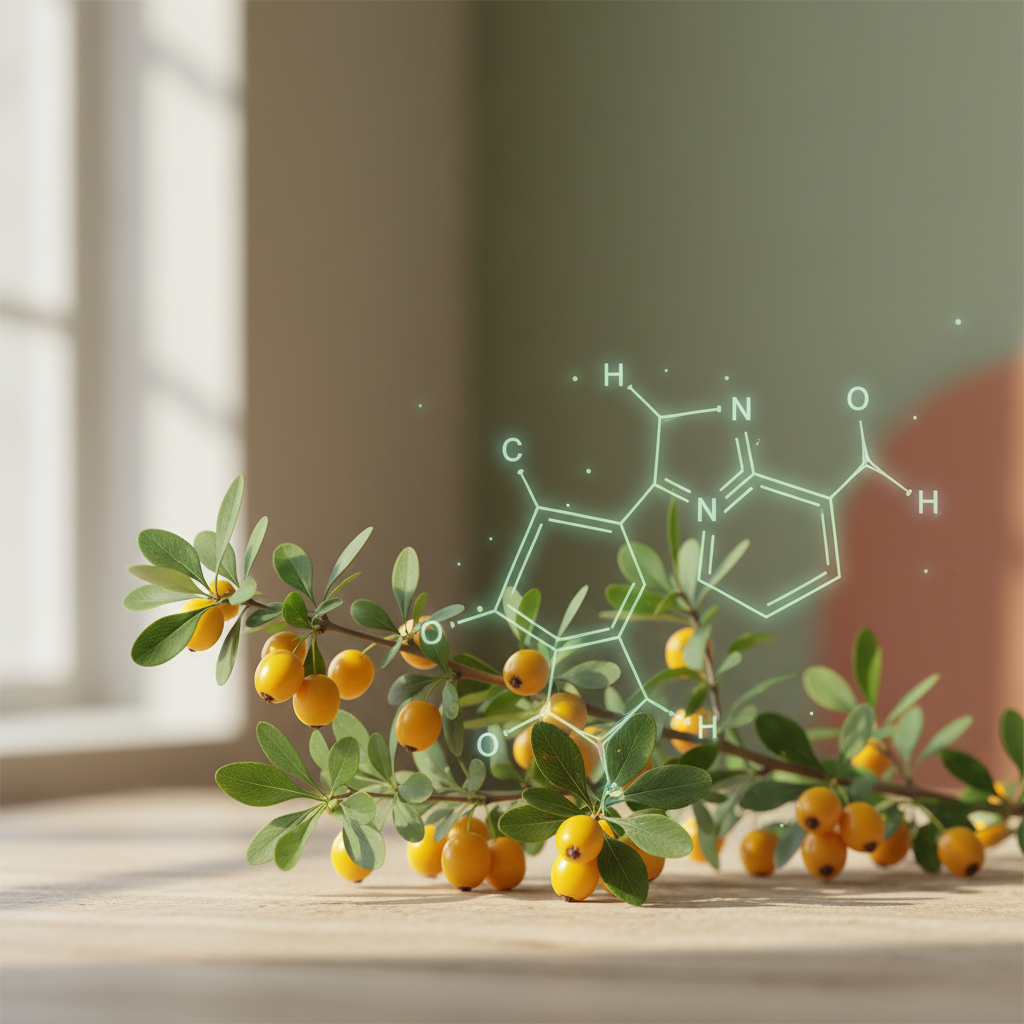
Metabolic health: Berberine vs. Metformin: Unpacking the Science for Metabolic Well-being
In the realm of metabolic health, two compounds frequently emerge in discussions around blood sugar management and insulin sensitivity: berberine and metformin. While one is a natural plant alkaloid and the other a pharmaceutical drug, both are recognized for their impact on glucose metabolism. Understanding the scientific distinctions and similarities is crucial for those navigating choices for their metabolic well-being.
Metformin: The Gold Standard in Glucose Regulation
Metformin, a biguanide, has been a cornerstone in managing type 2 diabetes for decades. Its primary mechanism of action involves reducing glucose production by the liver (hepatic gluconeogenesis) and increasing insulin sensitivity in peripheral tissues, such as muscle cells. This enhancement in insulin sensitivity allows cells to more effectively take up glucose from the bloodstream, thus lowering blood sugar levels.
Furthermore, metformin may also influence gut microbiota composition and reduce glucose absorption from the digestive tract, contributing to its overall metabolic benefits. Its efficacy and safety profile have been extensively studied, making it a well-established treatment option, particularly for individuals with insulin resistance and type 2 diabetes.
Berberine: A Natural Approach to Metabolic Support
Berberine, an isoquinoline alkaloid found in various plants like Berberis aristata (Indian barberry) and Coptis chinensis (goldenseal), has gained considerable attention for its potential metabolic benefits. Research suggests berberine acts through a multitude of pathways, many of which overlap with or complement those of metformin.
One key mechanism involves the activation of adenosine monophosphate-activated protein kinase (AMPK). AMPK is often referred to as a "metabolic master switch" because it plays a critical role in cellular energy homeostasis. By activating AMPK, berberine can decrease hepatic glucose production, enhance glucose uptake in peripheral tissues, and improve lipid metabolism. This leads to better insulin sensitivity and reduced blood sugar levels.
Berberine also appears to influence the gut microbiome, similarly to metformin, by promoting beneficial bacteria and potentially reducing inflammation, which can indirectly support metabolic health. Additionally, studies indicate berberine may modulate insulin signaling pathways and contribute to weight management by affecting adipogenesis (fat cell formation).
Comparing Efficacy and Mechanisms: What the Research Shows
When directly comparing berberine and metformin, numerous studies have explored their effectiveness, particularly in individuals with insulin resistance, prediabetes, and type 2 diabetes. Meta-analyses and systematic reviews have often noted that berberine can have comparable effects to metformin in lowering blood glucose, HbA1c, and lipid profiles, particularly in certain populations.
Both compounds work to improve insulin sensitivity and reduce hepatic glucose output, albeit through slightly different molecular cascades. Metformin's action is often more directly focused on disrupting specific enzymatic pathways involved in glucose production, while berberine's effects are broader, influencing multiple cellular targets. It's important to note that while berberine shows promise, the breadth and depth of research supporting metformin