
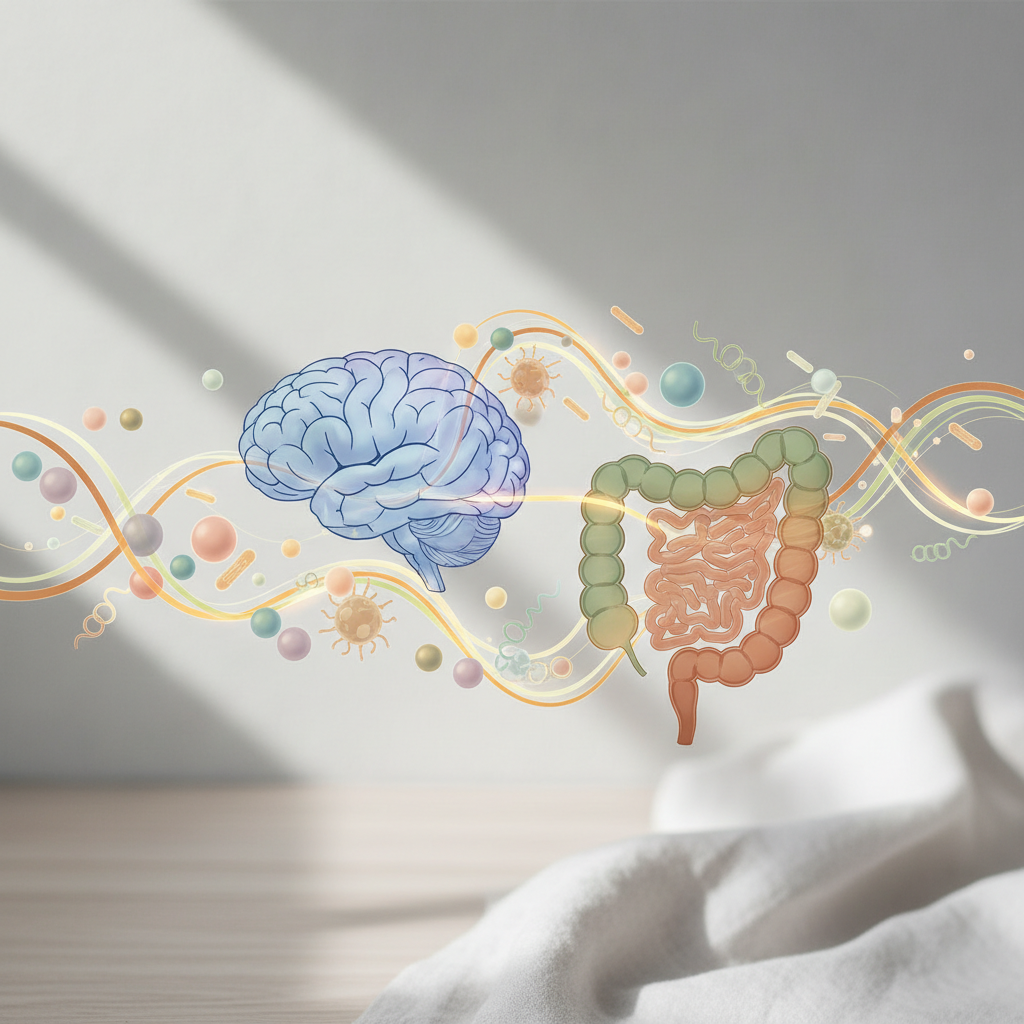
The Gut-Brain Axis: A Two-Way Street to Your Mood
It’s increasingly clear that the gut is far more than just a digestive organ. A complex, dynamic relationship exists between your gut and your brain, often referred to as the gut-brain axis. This bi-directional communication system involves nerve pathways, hormones, the immune system, and the fascinating world of your gut microbiome—the trillions of microorganisms living in your intestines.
For a long time, the brain was thought to be the sole commander of our physiological and emotional states. However, emerging science reveals that our gut, and the diverse community of bacteria within it, plays a significant role in shaping our mood, stress resilience, and even cognitive function. Understanding this axis is key to a holistic approach to mental wellness.
How Gut Health Influences Brain Function
The gut-brain axis operates through several fascinating mechanisms:
Neurotransmitter Production
Many of the neurotransmitters traditionally associated with brain function are also produced in the gut. For instance, a significant portion of the body's serotonin—a key neurotransmitter that influences mood, sleep, and appetite—is produced in the gut. Gut microbes can directly influence the production and availability of these crucial chemical messengers, impacting their levels in the bloodstream and potentially the brain. An imbalance in specific gut bacteria can lead to altered neurotransmitter profiles, which may contribute to mood disturbances.
Vagus Nerve Communication
The vagus nerve is a superhighway connecting the brain and the gut. It’s the longest cranial nerve, transmitting signals in both directions. The gut microbiome can communicate with the brain via the vagus nerve, sending signals about gut sensations, inflammation, and nutrient status. This direct neural pathway allows for rapid communication, influencing brain regions involved in emotion and stress regulation. A healthy, diverse microbiome can send calming signals, while dysbiosis might send distress signals to the brain.
Immune System Modulation
The gut is home to a significant portion of the body’s immune cells. A healthy gut lining acts as a barrier, preventing undigested food particles and harmful bacteria from entering the bloodstream. When this barrier is compromised (often called "leaky gut" or increased intestinal permeability), inflammatory molecules can leak out and signal the immune system. Chronic low-grade inflammation, even originating from the gut, can have systemic effects, including on the brain, contributing to symptoms of anxiety and depression. Gut microbes play a crucial role in maintaining gut barrier integrity and modulating immune responses.
Short-Chain Fatty Acids (SCFAs)
When gut bacteria ferment dietary fiber, they produce short-chain fatty acids (SCFAs) like butyrate, propionate, and acetate. These SCFAs are not just energy sources for gut cells; they also have far-reaching effects, including on the brain. Butyrate, for example, can cross the blood-brain barrier and has been shown to have neuroprotective and anti-inflammatory effects. SCFAs can influence brain-derived neurotrophic factor (BDNF), a protein vital for neuronal growth and survival, impacting learning, memory, and mood.
Nurturing Your Gut for Emotional Resilience
Optimizing your gut health is a powerful strategy for supporting mental wellness. While this is education, not medical advice, incorporating certain practices can foster a thriving gut microbiome:
- Embrace Fiber-Rich Foods: Dietary fiber from fruits, vegetables, legumes, and whole grains acts as prebiotics, directly feeding beneficial gut bacteria.
- Include Fermented Foods: Probiotic-rich foods like yogurt, kefir, sauerkraut, and kimchi introduce beneficial microbes to your gut.
- Manage Stress: Chronic stress can negatively alter the gut microbiome and increase intestinal permeability. Practices like mindfulness, meditation, and regular exercise can help mitigate stress.
- Prioritize Sleep: Adequate, restorative sleep is crucial for both gut and brain health. Sleep deprivation can disrupt the microbiome and amplify stress responses.
- Consider Targeted Supplementation (wisely): While not a substitute for diet, certain prebiotics and probiotics might be beneficial under personalized guidance. It’s essential to choose high-quality, evidence-backed supplements.
Bottom Line
The intricate dance between your gut and brain profoundly shapes your mood, stress responses, and cognitive vitality. By understanding the gut-brain axis and taking proactive steps to nurture your gut microbiome, you unlock a powerful pathway to enhanced mental wellness. Prioritizing gut health through diet, lifestyle, and stress management isn't just about digestion—it's about cultivating a resilient mind. This information is for educational purposes only and should not be considered medical advice. Please consult with a healthcare professional for personalized guidance, as all editorial content is editor-led reviewed.