What is Estrogen Dominance?
Estrogen dominance is a term used to describe a form of hormonal imbalance where there is too much estrogen relative to progesterone in the body. It’s important to understand that this doesn't necessarily mean estrogen levels are excessively high; rather, the ratio between estrogen and progesterone is out of sync. Both hormones play crucial roles in maintaining health, particularly in women, influencing everything from reproductive cycles to mood and bone density. When this delicate balance shifts, a cascade of symptoms can emerge, impacting overall well-being.
Common Symptoms of Estrogen Dominance
The signs and symptoms of estrogen dominance can be diverse and often overlap with other conditions, making accurate identification challenging without proper context. However, some commonly reported indicators include:
- Menstrual Irregularities: This can manifest as heavy or prolonged periods, shortened cycles, or increased premenstrual syndrome (PMS) symptoms like bloating, irritability, and breast tenderness.
- Weight Gain: Particularly around the hips, thighs, and abdomen. Estrogen can influence fat storage, and an imbalance may contribute to stubborn weight.
- Mood Swings and Emotional Changes: Increased anxiety, depression, and irritability are frequently reported.
- Fatigue: Persistent tiredness even with adequate sleep can be a symptom.
- Sleep Disturbances: Difficulty falling asleep or staying asleep.
- Decreased Libido: A reduced interest in sexual activity.
- Hair Loss: Thinning hair or increased shedding.
- Fibrocystic Breasts: Tender, lumpy breasts.
- Endometriosis and Uterine Fibroids: These conditions are often associated with estrogen dominance.
It’s important to remember that experiencing one or more of these symptoms does not automatically mean you have estrogen dominance. A comprehensive evaluation by a healthcare professional is crucial for accurate diagnosis.
Potential Causes of Estrogen Dominance
Understanding the potential drivers behind estrogen dominance is key to addressing it effectively. Several factors can contribute to an imbalance in the estrogen-to-progesterone ratio:
- Xenoestrogens: These are environmental compounds that mimic estrogen in the body. They can be found in plastics, pesticides, personal care products, and industrial chemicals.
- Dietary Factors: A diet high in processed foods, unhealthy fats, and conventional meat and dairy (which may contain hormones) can contribute to hormonal disruption. Insufficient fiber intake can also hinder proper estrogen elimination.
- Stress: Chronic stress elevates cortisol levels, which can, in turn, impact the production of other hormones, including progesterone. When progesterone is lower, estrogen can become dominant even if its levels are normal.
- Liver Health: The liver plays a vital role in metabolizing and detoxifying hormones, including estrogen. A sluggish liver can lead to inefficient estrogen clearance, causing it to recirculate and accumulate.
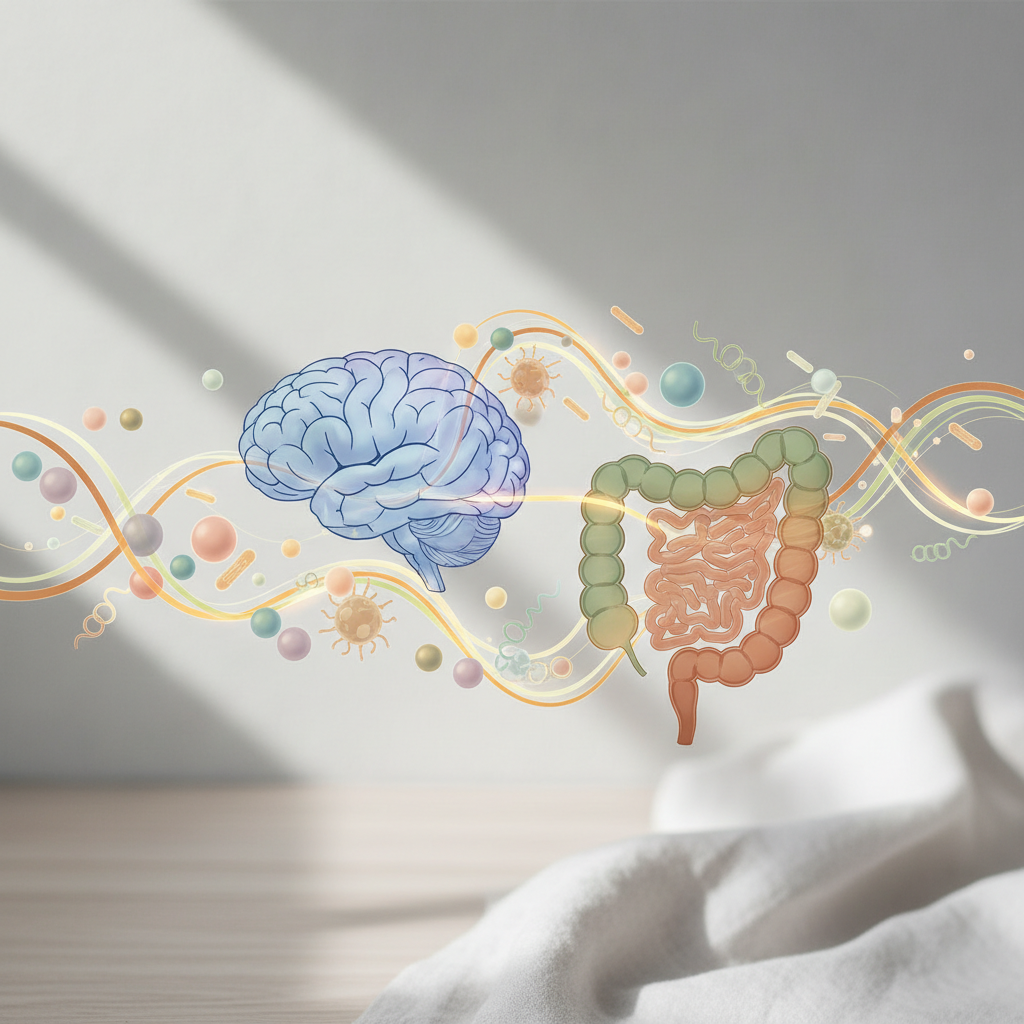
- Gut Dysbiosis: The gut microbiome influences hormone metabolism. An imbalanced gut (dysbiosis) can impair estrogen detoxification and elimination, leading to higher levels circulating in the body.
- Obesity: Fat cells produce estrogen, so excess body fat can contribute to higher overall estrogen levels.
- Synthetic Hormones: Some hormone replacement therapies or oral contraceptives can contribute to estrogen dominance if not properly balanced.
What Actually Helps with Estrogen Dominance?
Addressing estrogen dominance often involves a multi-faceted approach focused on supporting the body